A few months ago, the BBC ran an experiment with an AI agent, and the internet has not stopped talking about it since.
The tool behind that experiment is OpenClaw AI, and it went from a niche developer project to one of the fastest-growing pieces of software in recent memory.
If you have seen the name floating around and wondered what it actually is. This OpenClaw AI complete guide walks you through it.
You will learn what OpenClaw AI does, how it works, where to run it, what it costs, and how it compares to the alternatives now on the market.
Just what you came here for.
What Is OpenClaw AI?
OpenClaw AI is an open-source AI agent that lives inside your messaging apps. You talk to it through Telegram, WhatsApp, Discord, or Slack, and it talks back.
Unlike a standard chatbot, it does not stop at answering questions.
It can send emails, manage files, browse the web, and automate daily tasks on your behalf.
The project has changed its name twice. It started as Clawdbot, moved to Moltbot after a trademark dispute, and settled on OpenClaw AI as its permanent identity in early 2026.
The name changes caused some confusion online, but the software itself stayed consistent. It remains free and open source, and you only pay for the AI model it runs on.
Its growth numbers explain why so many people are searching for it.
The project passed one hundred thousand GitHub stars within a week of launch, a pace that outran most open-source tools in recent memory.
That kind of attention pulled in developers, marketers, and everyday users who wanted an assistant that could act, not just chat.
A community platform called Moltbook grew alongside it, where different OpenClaw AI agents post updates and interact with each other.
It is a strange corner of the internet, but it shows how far people are pushing these agents once you give them a long leash.
How OpenClaw AI Works
Think of OpenClaw AI as a gateway that connects three things. Your chosen AI model, your messaging app of choice, and a set of skills or plugins that carry out real tasks.
You message it like you would message a person. It reads the request, decides which tool or skill to use, and completes the task.
Some setups even run on a schedule, checking in on your inbox or calendar without you asking first.
This is what separates OpenClaw AI from a typical assistant. It does not wait passively for instructions every single time.
Behind the scenes, OpenClaw AI stores its memory as plain text files on your own machine or server, not inside a company’s cloud.
That local-first design is a big part of its appeal. You can open those files, back them up, or delete them whenever you choose, since none of it lives on a vendor’s servers by default.
What OpenClaw AI Can Actually Do For You
The use cases are where OpenClaw AI gets interesting. People are using it to triage inboxes, draft replies, and flag emails that need urgent attention.
One developer had his agent negotiate a car purchase over email while he slept, saving thousands off the sticker price.
Others use it to monitor competitor pricing, summarize Slack threads, and generate short marketing videos from a text prompt.
None of this requires you to open ten different apps. A single message to OpenClaw AI handles the entire chain.
Small businesses have picked it up for lighter workloads, too.
A support bot connected to a company’s Slack channel can answer common product questions and point people to the right documentation, cutting down the back and forth that usually falls on a human team.
Some users even schedule it to run daily checks, so it flags competitor price changes or unread messages before the workday starts.
Where to Run OpenClaw AI: VPS vs Local Computer vs Mac Mini
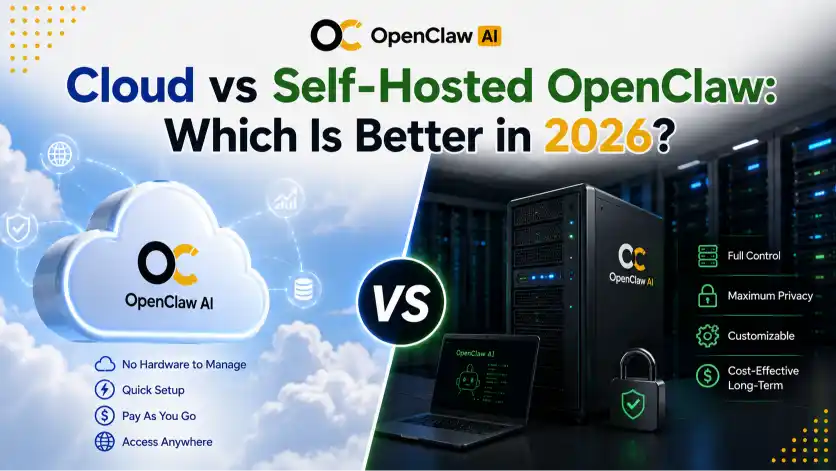
This is the first real decision you need to make. Running OpenClaw AI on your own laptop is the cheapest option, but it comes with a catch.
Your laptop sleeps, your Wi-Fi drops, and your agent goes offline with it. A dedicated device like a Mac Mini solves the uptime problem, but it demands a high upfront cost before you even start.
A VPS, or virtual private server, is the middle ground most people land on.
It runs 24 hours a day, costs roughly five to ten dollars a month, and keeps your main computer untouched by an agent that has broad file access.
Most VPS providers now offer a one-click OpenClaw AI install, so you skip the manual server configuration entirely.
Locking in a plan for twelve months instead of one also tends to lower the monthly rate noticeably, and a few providers throw in a free domain when you commit to a longer term.
Setting Up OpenClaw AI: What the Process Looks Like
The full setup is technical, but the shape of it is simple.
You deploy a server, install OpenClaw AI through a one-click option or manually through the terminal, and connect an AI model provider such as Claude or GPT.
From there, you link a messaging channel, approve the pairing, and give it access to the accounts you want it managing, such as Gmail or your calendar.
Most guides put the initial setup at fifteen to twenty minutes, with extra time if you want deeper integrations.
Once it is running, you should introduce yourself to it directly.
Tell it your name, what you do, and what you need help with, since OpenClaw AI builds a lasting profile of you from that first conversation onward.
Skipping this step is the most common reason people find their agent feels generic instead of genuinely useful.
OpenClaw AI Pricing: What It Really Costs
OpenClaw AI itself is free. The cost comes from the AI model powering it and, if you choose a VPS, the hosting fee.
Light daily use through a model like Claude or GPT tends to run ten to thirty dollars a month.
Heavier automation, with longer sessions and constant background checks, can climb to seventy dollars or more.
A VPS adds another five to ten dollars monthly on top of that. Budget for both pieces before you commit, since the software being free does not mean the setup is free to run.
Some people manage those costs by routing requests through a single API key that can switch between models, using pricier models for complex reasoning and cheaper ones for routine tasks.
That habit alone can cut a monthly bill significantly without changing what the agent is actually capable of doing.
Risks and Security to Keep in Mind
- Giving an AI agent access to your files, email, and messaging apps is powerful, and it deserves caution. Once a model can execute commands, no setup is completely risk-free.
- Running OpenClaw AI on a separate VPS instead of your main computer limits the damage if something goes wrong.
- Using a secondary Google account rather than your primary one adds another layer of protection.
- It also helps to review what each connected skill can actually touch before you approve it.
- Granting access to email and file systems all at once is convenient, but starting narrow and expanding gradually gives you a clearer picture of what your agent is doing and why.
OpenClaw AI Alternatives Worth Knowing
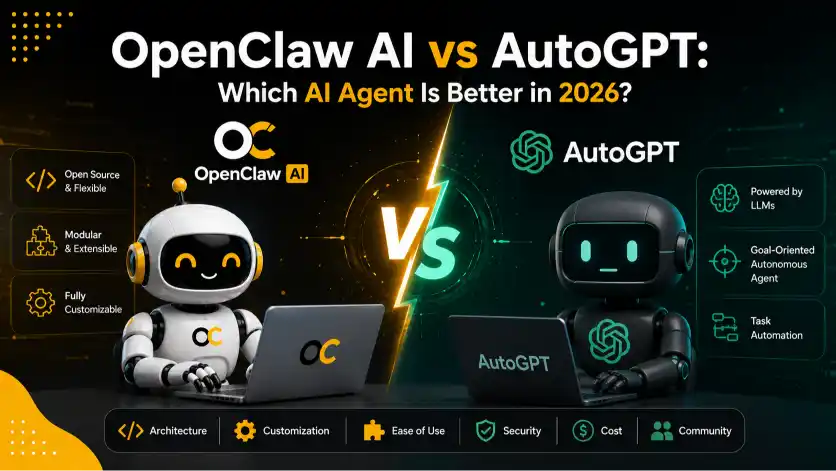
OpenClaw AI is not the only agent in this space. Hermes Agent has picked up a following as a rival with a different setup philosophy, and it comes up often in side-by-side comparisons.
Anthropic’s own Claude Cowork and MCP-based tools offer similar connections to your apps and files, but run inside a more controlled environment with tighter security guardrails.
If the openness of OpenClaw AI feels like more risk than you want, these managed options are worth a look before you decide.
The right choice comes down to how much control you want over your own setup.
OpenClaw AI rewards people who do not mind a bit of technical tinkering, while managed alternatives suit anyone who would rather trade some flexibility for a smoother, more guarded experience.
Final Thoughts
OpenClaw AI earned its momentum honestly.
It turns a text message into a working assistant that can act across your email, calendar, and files, and its open-source, model-agnostic design gives you real choice in how you run it.
If you decide to host your own instance, the server you pick matters more than most guides let on.
A reliable, affordable VPS keeps your agent online around the clock without the upfront cost of dedicated hardware, and it is worth comparing plans before you deploy.
Whether you go with OpenClaw AI or one of its alternatives, treat the first setup as an experiment rather than a permanent commitment.
Start with one or two tasks, watch how the agent handles them, and expand its access only once you trust the pattern it settles into.