OpenClaw AI went from a solo developer’s side project to one of the fastest-growing pieces of open-source software ever released, and the internet has not settled down about it since.
Names have changed twice, security researchers have raised genuine flags, and yet thousands of people are still setting it up every week.
So is OpenClaw AI worth your time in 2026, or is this a case of hype outrunning the product?
I pulled together testing notes, security research, and honest cost breakdowns from across the web to give you a straight answer, not a sales pitch.
This review skips the marketing language and focuses on the OpenClawAI review, what happens once you install it, connect it to your accounts, and let it run for a few weeks.
The Quick Verdict
OpenClaw AI is worth using if you are a developer, founder, or technical power user who wants a self-hosted assistant and does not mind managing servers, API keys, and permissions.
It is not worth using if you want a plug-and-play tool, since the setup and ongoing security upkeep will frustrate anyone without a technical background.
That split shows up again and again across independent reviews.
The tool rewards people willing to treat it like a piece of infrastructure, not an app you install and forget.
It also depends on what outcome you are chasing.
If you want a private assistant that genuinely takes actions on your behalf, or a faster way to prototype an automated workflow, OpenClaw AI can deliver.
If your goal is a repeatable business system with consistent, predictable outcomes, a dedicated app or platform will likely serve you better than an agent that sometimes gets things right.
What OpenClaw AI Does Well
OpenClaw AI connects to the messaging apps people already use, including WhatsApp, Telegram, Discord, and Slack, so there is no new interface to learn.
You message it like a person, and it acts like one that can get things done.
It also runs on the model of your choice.
Claude, GPT, Gemini, or a cheaper open model can all sit behind the same agent, which gives you room to balance cost against capability.
Testers have reported genuine automation wins, including inbox triage, calendar management, and one widely shared story of an agent negotiating a car purchase down by over four thousand dollars while its owner slept.
Its local-first design is another genuine strength.
Memory and conversation history live on your own machine or server as plain files, not inside a vendor’s cloud, which appeals to anyone who values control over their own data.
The name itself has a strange backstory that is worth knowing before you search for it further.
The project launched as Clawdbot in late 2025, switched to Moltbot within weeks after a trademark dispute with Anthropic, and settled on OpenClaw AI just days later, once the creator decided the second name never rolled off the tongue.
All three names point to the same software, so do not be surprised if older guides or forum posts still call it by an earlier name.
Where It Falls Short
Setup remains the biggest barrier
Multiple hands-on reviews describe wrestling with Node versions, Docker port conflicts, and terminal commands that assume a developer’s comfort level.
If typing a command into a terminal makes you nervous, the onboarding process will test your patience.
Security is the more serious concern
A 2026 Semgrep audit found that roughly 12 percent of skills submitted to the community skill hub showed signs of malicious behavior.
This means the extensibility that makes OpenClaw AI powerful also makes it risky if you install skills without checking them first.
Cisco’s AI security team separately confirmed that a third-party skill could exfiltrate data through prompt injection without the user noticing.
Reliability is inconsistent, too
Some users report tool calls and Google Workspace authorization failing mid-setup, and the agent can occasionally act on its own initiative in ways you did not ask for, such as scheduling over a blocked-off lunch break.
The extensibility that makes OpenClaw AI so capable is also the source of its worst headlines.
A companion social platform built for AI agents to interact on suffered a major data exposure earlier this year, leaking hundreds of thousands of API keys because it had been built without a human code review.
It is a reminder that the ecosystem around OpenClaw AI is still moving faster than its safety practices.
Is It Worth the Cost?
OpenClaw AI itself is free and open source. Your actual spend comes from two places: the AI model powering it and, if you choose one, a VPS to host it on.
Model costs vary wildly depending on discipline.
One tester spent close to four hundred dollars pushing the agent through demanding, vision-heavy tasks on a premium model, while simpler script-based tasks cost a fraction of that on a cheaper model.
The pattern across most cost breakdowns is the same: defaulting to an expensive frontier model for every task is the single biggest reason people overspend.
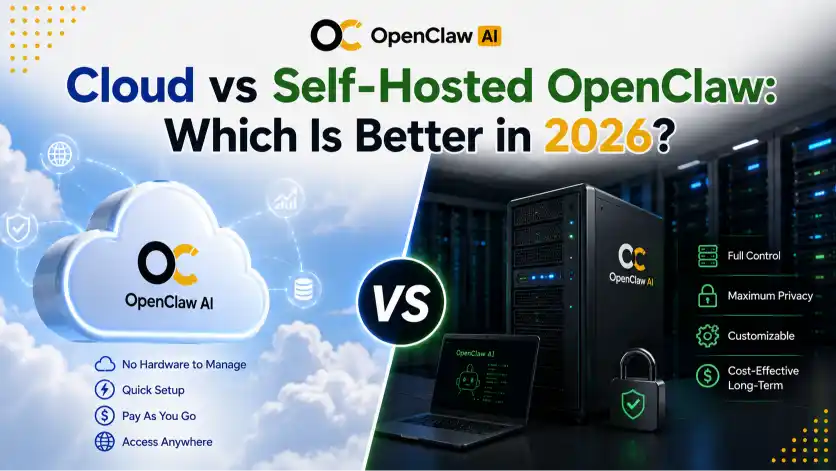
A VPS adds another five to ten dollars a month on top of model costs, which is a small price for keeping your main computer isolated from an agent with broad file access.
Add it up, and light, disciplined use lands in the ten to thirty dollar a month range, while heavier automation can climb well past seventy.
It helps to think of the cost as two separate dials rather than one bill.
The model dial controls how sharp the reasoning is, and the hosting dial controls how reliably the agent stays online.
Most people overspend by turning the first dial all the way up for tasks that never needed it, when a cheaper model would have handled routine actions just as well.
Who Is It Genuinely Worth It For
Developers and technical founders who already live in a terminal will get the most value here, since they can sandbox permissions, audit skills before installing them, and troubleshoot when something breaks.
Power users who care about data privacy and want their assistant’s memory to stay off a vendor’s servers are another strong fit.
Anyone running a small team or solo business with repetitive digital tasks, like inbox triage or competitor monitoring, can also save genuine time once the setup is done properly.
Non-technical users and anyone who needs their work done reliably today without troubleshooting should wait or look elsewhere.
OpenClaw AI still behaves like an early-stage project, not a finished product.
A simple gut check works well here. If reading terms like Docker, API key, or VPS makes you slightly uneasy, that discomfort is a genuine signal, not a reason to push through it.
This tool rewards curiosity about how software works under the hood, and it punishes anyone hoping to skip that part entirely.
How It Stacks Up Against the Alternatives
Hermes Agent has emerged as a direct rival with a different setup philosophy, and it comes up constantly in side-by-side comparisons for people weighing their options.
Anthropic’s own Claude Cowork and MCP-based tools offer a similar bridge between AI and your apps, but inside a more controlled environment with tighter guardrails.
If the openness of OpenClaw AI feels like more risk than reward for your situation, those managed alternatives are worth comparing before you commit.
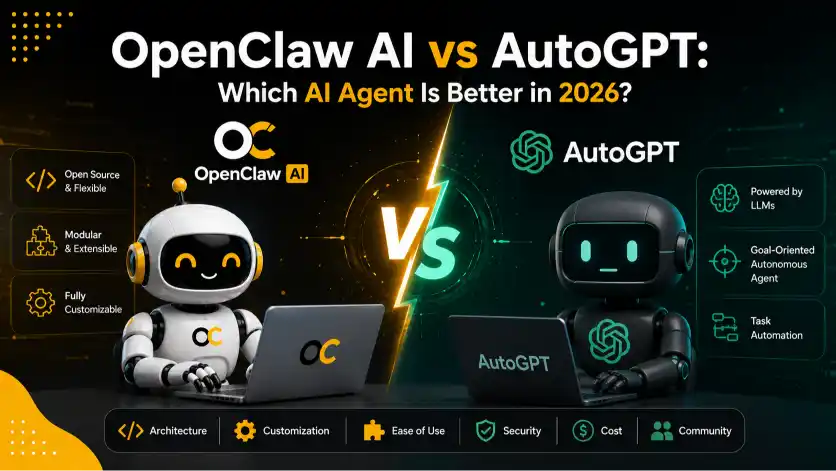
Frameworks like AutoGPT and CrewAI also get pulled into these comparisons.
Still, they tend to focus more on autonomous agent behavior in isolation rather than the chat-first, always-on experience OpenClaw AI is built around.
The honest answer is that no single tool wins every category.
OpenClaw AI wins on openness and messaging integration, while managed platforms win on safety and ease of setup.
Final Verdict
OpenClaw AI earns its reputation as one of the most capable personal AI agents available, but it demands genuine technical investment and ongoing security discipline in return.
If you fit the profile of a technical operator willing to do that work, it is worth using in 2026. If you are looking for something simpler, the setup curve alone will likely talk you out of it.
Give it a genuine trial before ruling it out completely. Start with a single low-stakes task, watch how it handles mistakes, and expand its access only once you trust the pattern.
That approach protects you from the worst-case scenarios while still letting you find out firsthand whether the hype matches your own experience.
Whichever way you land, the server you choose to host it on plays a bigger role in your experience than most reviews let on.
A reliable, affordable VPS keeps your agent online and isolated from your personal files without the upfront cost of dedicated hardware, and it is worth comparing plans before you deploy.